
Minnesota DWI Lawyer Protecting Your License, Record, and Future

A DWI arrest can create immediate concerns about your freedom, driver’s license, employment, insurance, family, and future. You may also face separate criminal and driver’s-license proceedings with different legal issues and deadlines. Attorney Jay Carey provides focused DWI and DUI defense for drivers throughout Minnesota. He represents people facing first-time charges, repeat offenses, felony DWI, chemical-test refusal, license revocation, whiskey plates, ignition-interlock issues, and vehicle forfeiture. Get direct answers about your case from an attorney who has spent more than 25 years practicing law in Minnesota and has personally handled over 1,000 DWI matters.
10.0Jay Edward Carey
Jay Edward CareyReviewsout of 25 reviews
DWI Cases
0 +
Years Experience
0 +
Satisfied Clients
0 %
Criminal and Traffic Cases
0 +

Charged With DWI in Minnesota? Here Is What What Happens Next

A Minnesota DWI case may involve criminal charges and a separate driver’s-license matter, each with different consequences and deadlines.
After an arrest:
For many implied-consent revocations, you may have 60 days from receiving the notice and order to seek judicial review.
License Reinstatement
DWI Law Firm in Minnesota

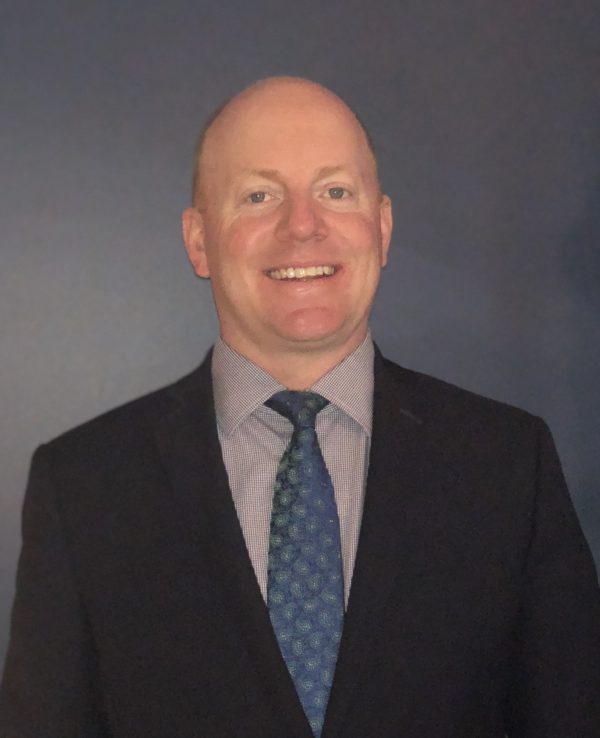
Meet Minnesota DWI Lawyer Jay Carey

Jay E. Carey began practicing law in Minnesota in 2000 and founded Carey Law Firm, LLC in 2006 after gaining experience with firms and a DWI defense attorney.
His background includes:
Jay has handled more than 1,000 Minnesota DWI cases and provides direct, evidence-based guidance tailored to each client.
// Our Services

Minnesota DWI Cases We Handle

DWI Defense

A DWI charge can create both a criminal case and a separate driver’s-license matter. Jay Carey represents first-time, repeat, felony, underage, drug-related, and test-refusal cases across Minnesota. He reviews the stop, testing, video, and other evidence to identify weaknesses, protect driving privileges, and build a focused defense strategy for clients.

Criminal Defens

Criminal charges can threaten your freedom, record, employment, professional standing, and family responsibilities. Jay Carey defends felony, gross-misdemeanor, and misdemeanor cases across Minnesota. He reviews arrests, searches, witness credibility, police statements, physical evidence, and prosecution theories to challenge unsupported allegations and pursue dismissal, reduction, negotiation, or trial when legally appropriate.

Traffic Violation Defense

A traffic violation can affect more than the price of a ticket. Serious citations may lead to license restrictions, insurance increases, employment concerns, or criminal exposure. Jay Carey reviews the citation, driving record, officer observations, video, and procedural issues to protect your license, record, livelihood, and ability to drive lawfully.

License Reinstatement

Losing driving privileges can disrupt work, school, medical care, childcare, and family responsibilities. Jay Carey helps Minnesota drivers understand revocation, reinstatement, ignition interlock, whiskey plates, plate impoundment, and vehicle forfeiture. He reviews notices, deadlines, testing records, prior history, and available remedies to pursue the most practical lawful path forward possible.

Understanding Minnesota DWI Charges and Offense Levels

Minnesota divides DWI offenses into four degrees. The applicable degree may depend on the present allegation, qualified prior impaired-driving incidents, test refusal, alcohol concentration, the presence of a child, and certain qualifying felony convictions.
Under Minnesota’s definition, an aggravating factor can include a qualified prior impaired-driving incident within the preceding ten years, an alcohol concentration of at least 0.16, or having a qualifying child under age 16 in the vehicle. The table below provides a general overview rather than a prediction about any individual case.
Minnesota DWI degree Offense classification General circumstances that may apply Important defense-review areas
Fourth-Degree DWI
Misdemeanor
Generally applies to a DWI violation that is not elevated to a higher degree by aggravating factors, qualifying priors, test-refusal circumstances, or felony history.
Legality of the stop, probable cause, driving or physical control, field sobriety procedures, chemical testing, police video, and possible license consequences.
Third-Degree DWI
Gross misdemeanor
May apply when one aggravating factor is present. It may also apply to a criminal test-refusal allegation without an additional aggravating factor.
Whether the claimed aggravating factor legally applies, whether a prior incident qualifies, the alleged refusal, testing instructions, officer conduct, and available recordings.
Second-Degree DWI
Gross misdemeanor
May apply when two or more aggravating factors are present. A test-refusal allegation may also become second degree when one aggravating factor is present.
Accuracy of the prior record, validity of each claimed aggravating factor, test-refusal evidence, probable cause, procedural compliance, and administrative license or plate consequences.
First-Degree DWI
Felony
May apply when the new violation occurs within ten years of the first of three or more qualified prior incidents, after a prior first-degree DWI felony, or after certain other qualifying felony convictions.
Whether prior incidents and convictions legally qualify, enhancement dates, charging documents, admissibility of evidence, testing reliability, constitutional issues, sentencing exposure, negotiation, and trial strategy.

How a Minnesota DWI Lawyer Reviews and Defends Your Case

Reviewing the Stop, Arrest, and Officer’s Evidence

An arrest does not establish guilt. The state must prove every required element with admissible and reliable evidence, so Jay Carey reviews the complete sequence of events rather than focusing only on a breath, blood, or urine test result. He examines the reason for the traffic stop or police contact, squad-camera and body-camera footage, dispatch records, driving observations, witness statements, accident reports, and the officer’s written narrative. Jay also evaluates whether the officer had a lawful basis for the stop and sufficient probable cause for the arrest. Field sobriety exercises are reviewed in context because weather, road conditions, lighting, footwear, injuries, medical limitations, unclear instructions, and camera angles may affect performance.
A detailed review can reveal gaps between the officer’s written account and the available evidence. Identifying those weaknesses early may help Jay challenge questionable observations, dispute the basis for the arrest, and develop a defense strategy that reflects what actually happened.

Protecting Your License and Ability to Drive

For many clients, the immediate question is not only, “Will I be convicted?” It is also, “How will I get to work, care for my family, attend school, or operate my business?”

Driver’s-License Revocation

A license revocation may arise from an alleged test failure or refusal. The defense can examine the officer’s certification, notice, testing documentation, probable cause, arrest, advisory, reliability of the method, and other permitted issues.

Ignition Interlock

Ignition interlock may offer a lawful way to keep driving in some situations, while other reinstatement options may apply. Eligibility, duration, prior history, and the legal basis for withdrawal should be reviewed alongside immediate transportation needs and long-term license consequences.

Whiskey Plates, Plate Impoundment

Plate impoundment may apply in qualifying DWI circumstances. Jay Carey reviews the order, alleged aggravating factors, prior incidents, ownership issues, notice requirements, and available administrative or judicial procedures to determine whether the impoundment can be challenged or otherwise addressed lawfully.

Vehicle Forfeiture

Minnesota law permits DWI-related vehicle forfeiture in qualifying cases. Jay Carey reviews the seizure, ownership interests, notice, deadlines, prior incidents, vehicle use, and available statutory defenses to determine whether the driver, owner, or another interested party may challenge the forfeiture.

Challenging Chemical Tests and Choosing a Defense Strategy

Chemical-test evidence also requires careful review. A breath-test analysis may involve instrument records, maintenance information, operator qualifications, test sequences, observation-period concerns, error messages, and environmental or physiological factors. Blood and urine cases may require examination of the search warrant, collection process, chain of custody, storage, laboratory methods, contamination risks, prescription evidence, and toxicology interpretation.
When evidence results from an unlawful stop, arrest, search, test request, or other constitutional or procedural violation, Jay may seek to suppress it. He then explains whether negotiation, pretrial motions, or trial may be appropriate after considering the evidence, prior record, license consequences, employment concerns, sentencing exposure, personal goals, and the risks and benefits of each option.
The right approach depends on the strength of the prosecution’s evidence and the client’s individual priorities. By carefully reviewing the testing process and available legal options, Jay works to pursue the most practical and effective resolution available under the circumstances.
// 4 Simple Steps

How Jay Carey Handles Your Case

01

Free Consultation and Initial Case Assessment

You explain what happened, where the incident occurred, which documents you received, and your main concerns. Jay identifies urgent deadlines, requests missing information, and explains how the charge, license issues, prior record, employment, and needs may affect your next steps.

02

Evidence, Records, and Notice Review

Jay reviews police reports, body-camera and squad-camera footage, breath-test records, blood or urine reports, search warrants, dispatch records, witness information, license notices, vehicle documents, and prior impaired-driving records to identify important inconsistencies, deadlines, testing issues, and possible legal defense weaknesses.

03

Personalized Defense and Legal Representation

Jay develops a strategy based on the evidence, deadlines, prior history, employment, driving needs, personal goals, and legal options. He handles criminal and license proceedings through filings, hearings, negotiations, motions, and court appearances, including full trial preparation when legally necessary.

04

Clear Communication, Resolution, and Future Planning

Throughout the case, Jay explains developments, choices, risks, and next steps. He answers questions, discusses new evidence, and keeps you informed. When the case ends, he reviews court conditions, license requirements, deadlines, fees, treatment obligations, and documents you should keep.

Selected DWI Results and Client Experiences

Chances are good that you are here because you were arrested, and you’ve been charged with a crime. Maybe this is the first criminal charge you’ve ever faced. Maybe it’s your fifth. Maybe you’ve lost count. You might be facing charges that you expect will have minimal impact on your future, or you could be looking at decades behind bars and thousands of dollars in fines. You begin to wonder, “do you really need to hire a Minnesota criminal lawyer?”
This is a frequently asked question among people who have been charged with low-level crimes and higher-level felonies alike. In truth, after evaluating your situation and weighing the pros and cons of hiring a defense lawyer, only you can decide the answer.

Listen to what our North York Neighbours are saying

EXCELLENT

Based on 259 reviews

Minnesota DWI Resources

Reliable legal information should come from current Minnesota statutes, official government sources, and materials reviewed by an experienced attorney. Carey Law Firm provides helpful information about Minnesota DWI offense levels, chemical-test decisions, DWI jail release, driver’s-license revocation, Minnesota whiskey plates, vehicle forfeiture, BAC estimation, and other important DWI-related issues.

Each legal page should reference current Minnesota statutes, court materials, and official agency resources whenever appropriate. Using authoritative sources helps readers verify important information and is more reliable than depending on general reference websites that may be incomplete or outdated.
FAQ

Common Questions About Minnesota DWI Defense

Do I need a Minnesota DWI Lawyer for a first offense?

A first offense can still involve a criminal charge, license revocation, testing evidence, insurance concerns, and a permanent court record. An attorney can review the stop, arrest, test, notices, video, and available defenses. Legal representation does not guarantee dismissal, but it helps ensure that the evidence and available options receive proper review.

Minnesota statutes use the term DWI, meaning driving while impaired. People often use DUI as a familiar or interchangeable search term, but Minnesota prosecutions are brought under the state’s DWI laws. The law covers alcohol, qualifying drugs or substances, combinations of substances, and an alcohol concentration of 0.08 or more under the statutory conditions. 

You may receive a criminal court date and a separate notice affecting your driving privileges. Police and prosecutors may rely on reports, video, statements, field exercises, breath evidence, or laboratory testing. Your attorney should identify the criminal charge, the license action, applicable deadlines, and evidence that needs to be preserved.

A test failure or refusal may result in an order of revocation. Whether the revocation can be challenged, stayed, rescinded, or managed through another lawful option depends on the notice, testing process, driving record, and case facts. Minnesota generally provides 60 days following receipt of an implied-consent notice and order to petition for judicial review.

Can the traffic stop be challenged?

Yes. A DWI investigation often begins with a stop, seizure, accident response, or contact with a parked vehicle. The defense can examine whether the officer had the legal basis required for the contact and whether later evidence resulted from an unlawful action.

A test result can be reviewed for reliability, accurate evaluation, instrument records, operator procedure, observation issues, and other case-specific concerns. The existence of a numerical result does not prevent an attorney from examining how that result was obtained and whether it is admissible.

It may be possible when there are legal, factual, procedural, or evidentiary weaknesses. A case might also be negotiated depending on the evidence, prior record, prosecutor, charge level, and litigation risk. No outcome should be promised before the evidence is reviewed.

An alleged refusal may create criminal and driver’s-license issues. The attorney should review the test request, advisory, warrant, opportunity to contact counsel, communication with the officer, and whether the state can establish a legally valid refusal.

Speak With a Minnesota DWI Lawyer About Your Case

You do not need to understand every criminal, testing, licensing, or court issue before calling. Bring your documents and explain what happened. Jay Carey will identify urgent concerns, explain available next steps, and provide case-specific guidance. Carey Law Firm offers free, confidential consultations throughout Minneapolis, St. Paul, and Minnesota communities.

Tel

612-548-2988

Location

Carey Law Firm, LLC, 80 South 8th Street Suite 900, Minneapolis, MN 55402

Contact us to schedule your free consultation.

Do you Need a Free Consultation from a Lawyer?

Get a Free, No-obligation Consultation